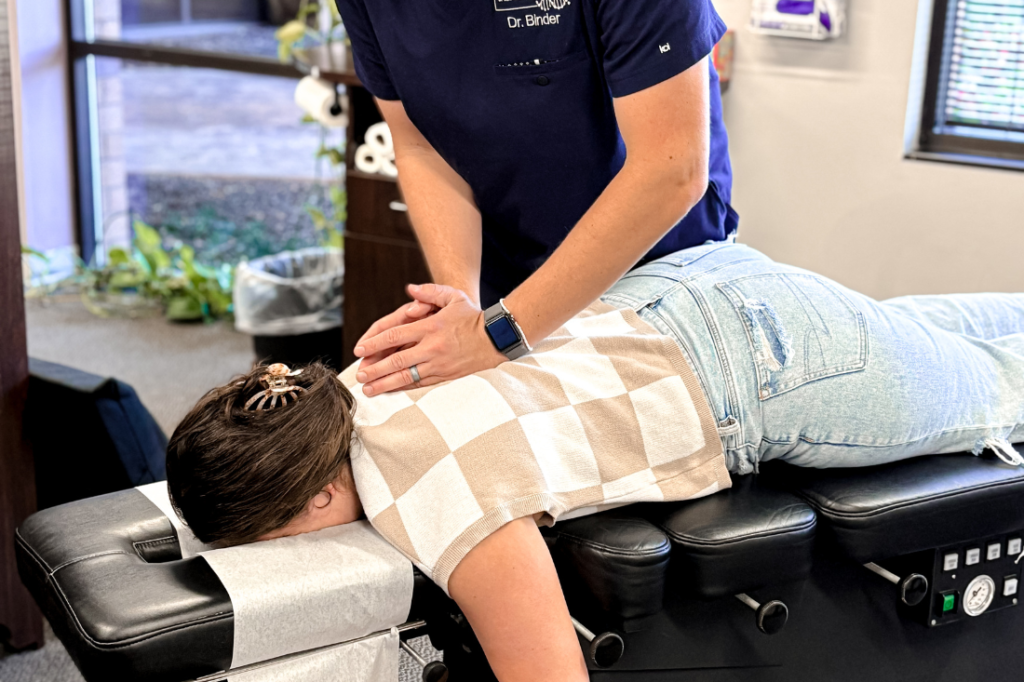

Motherhood in the modern world is both deeply rewarding and physically demanding. From pregnancy changes to postpartum recovery and the ongoing responsibilities of caring for children, a woman’s body experiences continuous stress and adaptation. In this context, many women are exploring holistic wellness approaches that support long-term health rather than only addressing symptoms when they arise. One such approach is chiropractic care, which is increasingly being considered a supportive wellness tool for women throughout pregnancy, postpartum recovery, and motherhood in general.
Chiropractic care focuses on the alignment and function of the spine and musculoskeletal system. The central idea is that when the spine is properly aligned, the nervous system can function more efficiently, and the body is better able to adapt to physical stress. For modern mothers, whose bodies are constantly under pressure from physical caregiving tasks and hormonal changes, this approach offers a proactive way to support overall well-being.
The Changing Physical Demands of Motherhood
Motherhood begins with pregnancy, a period marked by significant structural and hormonal changes. As the baby grows, the center of gravity shifts forward, placing additional stress on the lower back, hips, and pelvis. Many women experience postural changes such as increased spinal curvature, which can contribute to discomfort or fatigue.
Beyond pregnancy, the postpartum phase introduces new challenges. Caring for a newborn often involves long hours of feeding, carrying, rocking, and limited sleep. These repetitive physical actions can strain the neck, shoulders, and upper back. Even after the early infant stage, motherhood continues to involve lifting toddlers, bending frequently, and maintaining a physically active routine that rarely allows the body to rest fully.
Over time, these patterns can create muscular imbalances and joint tension. Chiropractic care is often explored as a way to help manage this physical strain by focusing on spinal alignment and mobility, which may support more balanced movement and posture.
Understanding Chiropractic Care in a Wellness Context
Chiropractic care is not solely about treating pain; in a wellness-oriented approach, it is also about maintaining function and preventing dysfunction. The spine houses and protects the central nervous system, which plays a major role in coordinating movement, sensation, and bodily regulation. When spinal joints are restricted or misaligned, it may lead to discomfort, stiffness, or reduced mobility.
Through manual adjustments and other techniques, chiropractors aim to improve spinal joint motion and reduce tension in surrounding tissues. For mothers, this may translate into better posture, improved flexibility, and reduced strain from daily activities.
It is important to view chiropractic care as part of a broader wellness lifestyle rather than a standalone solution. Many women combine it with exercise, nutrition, stress management, and proper rest to support overall health during motherhood chiropractic.
Pregnancy and Chiropractic Support
Pregnancy is one of the most significant physical transformations a woman’s body can experience. As hormone levels shift, ligaments naturally become more flexible to prepare for childbirth. While this is a normal and necessary process, it can also lead to instability in certain joints, particularly in the pelvis and lower spine.
During this time, chiropractic care is often used as a gentle supportive practice to help maintain balance in the musculoskeletal system. Many women seek care to help manage common discomforts such as lower back tension, pelvic pressure, and postural fatigue. The goal is not to interfere with pregnancy but to support the body’s natural ability to adapt to changes.
In addition, maintaining pelvic alignment may contribute to more comfortable movement and better posture during pregnancy. Since every pregnancy is unique, chiropractic approaches are typically adapted to each individual’s comfort level and stage of pregnancy.
Postpartum Recovery and Physical Restoration
After childbirth, the body begins a gradual recovery process. However, postpartum life is often physically intense. New mothers frequently spend long hours holding, feeding, and soothing their babies, which can lead to strain in the neck, shoulders, and upper back.
Sleep deprivation also plays a role in physical recovery. When the body does not get adequate rest, muscle tension can increase and healing may feel slower. Chiropractic care during this stage is often used as part of a broader recovery plan to help restore spinal mobility and reduce muscular tension developed during pregnancy and delivery.
Another important aspect of postpartum wellness is posture re-education. Many mothers develop forward-leaning postures from breastfeeding or bottle-feeding positions. Over time, this can affect spinal alignment and lead to discomfort. Chiropractic care may help address these postural habits by supporting spinal balance and encouraging healthier movement patterns.
Everyday Motherhood and Physical Strain
Motherhood does not become physically easier after the postpartum period. Instead, it evolves into different forms of strain. Carrying children, lifting car seats, bending over cribs, and performing household tasks all contribute to repetitive stress on the body.
One of the most common issues modern mothers experience is chronic neck and shoulder tension. This often results from a combination of poor posture, smartphone use while multitasking, and physically demanding caregiving routines. Lower back discomfort is also common due to lifting and carrying children on one side of the body repeatedly.
Chiropractic care is often incorporated into wellness routines to help maintain spinal alignment and improve mobility so that the body can better handle these everyday demands. Rather than waiting for pain to become severe, some women choose regular care as a preventative approach to staying physically balanced.
Stress, Sleep, and Nervous System Balance
Motherhood is not only physically demanding but also emotionally and mentally taxing. Stress, anxiety, and disrupted sleep patterns are common experiences, especially during early childcare years. While chiropractic care is primarily focused on the musculoskeletal system, it is often discussed in the context of nervous system balance as well.
When the body is under stress, muscle tension tends to increase, particularly in the neck and back. This physical tension can create a cycle where discomfort further contributes to stress. By addressing physical restrictions and encouraging relaxation in the musculoskeletal system, chiropractic care may support a sense of physical ease, which can indirectly contribute to improved stress management.
Better physical comfort can also support improved sleep quality. When the body is less tense, it may be easier to rest, which is essential for recovery and emotional well-being in motherhood.
A Holistic Approach to Women’s Wellness
Modern women are increasingly moving toward holistic health models that consider the body as an interconnected system rather than isolated parts. In this approach, chiropractic care is one component among many that support overall wellness.
For mothers, this might include regular physical activity such as walking or yoga, balanced nutrition, hydration, mindfulness practices, and adequate rest whenever possible. Chiropractic care fits into this lifestyle as a supportive method for maintaining physical alignment and mobility.
The key idea is not dependency on any single practice, but rather integration of multiple healthy habits that work together to support long-term well-being.
Empowerment Through Body Awareness
One of the less discussed but important benefits of chiropractic care is increased body awareness. Many women report becoming more conscious of their posture, movement patterns, and physical habits over time. This awareness can be especially valuable in motherhood, where physical strain is often accepted as normal and overlooked.
By understanding how daily activities affect the spine and muscles, mothers may feel more empowered to make small adjustments that reduce strain—such as lifting with better technique, improving sitting posture while feeding a baby, or incorporating stretching into daily routines.
This sense of awareness contributes to a more proactive approach to health, where discomfort is addressed early and prevention becomes part of everyday life.
Conclusion
Chiropractic care can play a meaningful role as a wellness tool for modern women navigating the complex journey of motherhood. From pregnancy through postpartum recovery and into the ongoing demands of raising children, a woman’s body undergoes continuous physical and emotional stress.
By focusing on spinal alignment, mobility, and musculoskeletal balance, chiropractic care offers a supportive approach that complements a holistic lifestyle. It does not replace medical care or healthy living habits, but it can serve as one part of a broader wellness strategy aimed at helping mothers feel more balanced, mobile, and resilient.
In a world where motherhood often leaves little time for self-care, practices that encourage physical awareness and preventive wellness can be valuable. Chiropractic care, when integrated thoughtfully, may help modern mothers maintain strength, comfort, and confidence as they care for both their families and themselves.