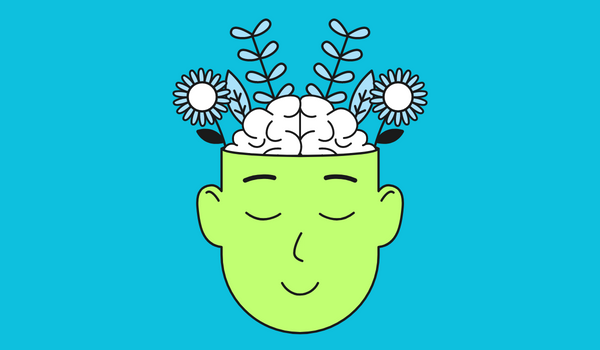

In today’s world, mental health and general wellness are very important. These two things are the most important parts of a person’s health and happiness. Health is frequently linked to being physically fit and not having any diseases. Mental health, on the other hand, is about the emotional, psychological, and social factors that affect how we think, feel, and act. They are both very intertwined; one cannot really exist in harmony without the other.
This article talks about what mental health and health are, why they are important, how they affect each other, and what we can do to keep them in balance.
What is health?
Being healthy means more than not being sick. The World Health Organization (WHO) says that it is “a state of complete physical, mental, and social well-being.” This indicates that health includes many different aspects, such as physical, emotional, and social, that all work together to help people live happy and productive lives.
Having good health lets a person work, make friends, and reach their goals. On the other hand, bad health, whether it’s physical or mental, can make it hard to live your life and enjoy it. Eating well, doing out regularly, getting enough sleep, managing stress, and getting preventive care are all important for being healthy.
What is mental health?
Mental health is about how we feel, think, and interact with others. It changes how we deal with stress, how we get along with other people, and how we make choices. Having good mental health helps us deal with the problems that come up in life, make meaningful connections with other people, and reach our personal and professional goals.
People may have problems like anxiety, depression, or burnout if they don’t take care of their mental health. These diseases can have a big impact on your health as a whole, including problems like high blood pressure, a weaker immune system, or chronic weariness.
Mental health is also very important for how people act, how much work they get done, and how creative they are. People who are mentally strong tend to bounce back from setbacks more quickly and stay enthusiastic about life.
The Link Between Mental Health and Physical Health
Mental health and physical health are two sides of the same coin. Bad mental health can make physical health worse, and the other way around. For example, long-term stress, which is a mental state, can cause high blood pressure, heart disease, and other physical problems. Physical ailments can also cause emotional suffering and have an effect on mental health.
Here are some examples of how they talk to one other:
Stress and the Immune System: When you are under a lot of stress for a long time, your immune system gets weaker, which makes you more likely to get sick.
People with chronic illnesses like diabetes and heart disease often get depressed.
Exercise and Mood: When you work out, your body releases endorphins that make you feel better and enhance your health.
Our bodies follow our brains when we take care of them, and our minds get stronger when we take care of our bodies.
Things that affect mental health and health
There are a number of things that affect both mental health and health. These are some of them:
Lifestyle Choices: What you eat, how much you exercise, how much sleep you get, and how you relax all have a direct effect on your physical and emotional health.
The environment—where you live, how stressful your job is, and how much time you spend outside—can all have an effect on your health and emotional balance.
Social Connections: Healthy interactions help keep your mind healthy by lowering stress and helping you live longer.
Economic Stability: Stress from money problems can make people anxious and depressed, and being poor often makes it hard to get good medical treatment.
Genetics and Biology: Family history and genetic variables can make people more likely to get certain mental or physical problems.
People can keep a healthy balance between their mental and physical health by taking care of these things.
Why it’s important to be aware of mental health
In today’s fast-paced, high-stress society, it’s important to talk about mental health. A lot of individuals still think that mental illness is a show of weakness, which stops them from getting assistance. Realizing that mental health is just as essential as physical health can alter lives.
Here’s why being aware is important:
Early Detection: If you know the indicators of bad mental health, such mood swings, tiredness, or withdrawal, you can get help right away.
Breaking the Stigma: Talking about mental health openly helps people understand and feel less ashamed.
Encouraging Support Systems: When people know about mental health issues, family, schools, and workplaces are more likely to help.
People are more inclined to ask for help and keep their lives in balance when society sees mental health as a part of overall health.
How to Stay Healthy and Mentally Healthy
To be well and mentally healthy, you need to take care of yourself and be conscious of what’s going on. Here are some useful techniques to find this balance:
Stay active. Working out regularly makes you feel better and keeps you in shape.
Eat Well: A healthy diet gives your body and mind the energy they need.
Get enough sleep. Good sleep is important for getting your mental and physical energies back.
Mindfulness practice, including meditation and deep breathing, can help you deal with your emotions better.
Make friends—having social connections makes you happier and protects you from depression.
Get Professional Help: Therapists, counselors, and doctors can help with both emotional and physical health problems.
Limit Screen Time: Spending less time online can help your mental health and focus.
Small things you do every day can have a major effect on your long-term health and mental stability.
Mental Health at Work
Workplaces have a big effect on both mental and physical health. Stress, burnout, and disease can happen when you work long hours, under a lot of pressure, or without help. Companies who put their employees’ health first by offering mental health programs, therapy, or flexible scheduling have more productive workers and fewer absences.